Introduction – A New Chapter for Tata’s Popular Electric SUV
The Indian electric vehicle market just got a significant update with the launch of the 2026 Tata Punch EV facelift. Tata Motors officially unveiled the refreshed version of its widely popular electric micro-SUV on 20 February 2026, adding new styling cues, updated technology, improved battery options, a broader feature set, and innovative pricing schemes designed to make EV ownership more accessible for buyers in India.
Since its original debut in early 2024, the Tata Punch EV quickly established itself as one of the most attractive entry-level electric SUVs in India due to its compact size, practicality, and competitive pricing. However, with new rivals entering the affordable EV segment and expectations evolving rapidly, Tata Motors decided to refresh the Punch EV with its first major update — the 2026 Tata Punch EV facelift.
This comprehensive article covers everything from design changes to performance upgrades, pricing strategy, battery options, technology features, safety updates, charging capabilities, competitive positioning, and what it means for the Indian EV landscape.
Why a Facelift Matters in the 2026 EV Landscape
2026 is shaping up to be a pivotal year for the Indian EV market. With government targets aiming to increase EV adoption significantly by 2030, automakers are racing to refine and expand their electric portfolios. The affordable EV segment — typically vehicles under ₹15 lakh — is expected to be a major battleground. Tata Motors, already India’s leading EV maker, is doubling down on this strategy with a refreshed Punch EV aimed directly at buyers looking for a practical, efficient, and tech-rich everyday electric vehicle.
Exterior Redesign – Sharper, Smarter, and Modern
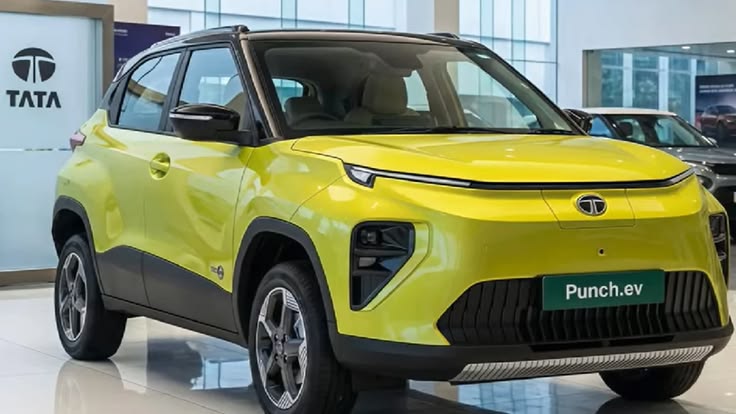
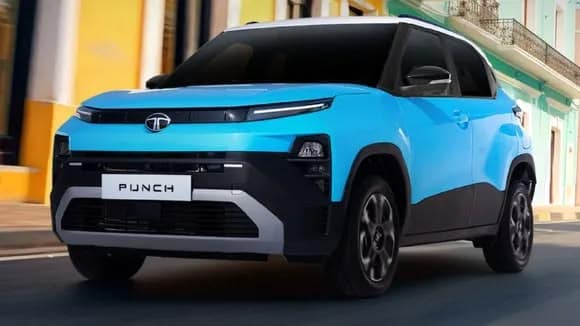
The first thing you notice about the 2026 Punch EV facelift is its updated exterior design. While the overall shape and compact SUV proportions remain similar, Tata Motors has injected a more contemporary and cohesive appearance that aligns the electric model more closely with its ICE (internal combustion engine) counterpart and Tata’s newer EV design language.
Front Fascia
Key exterior highlights include:
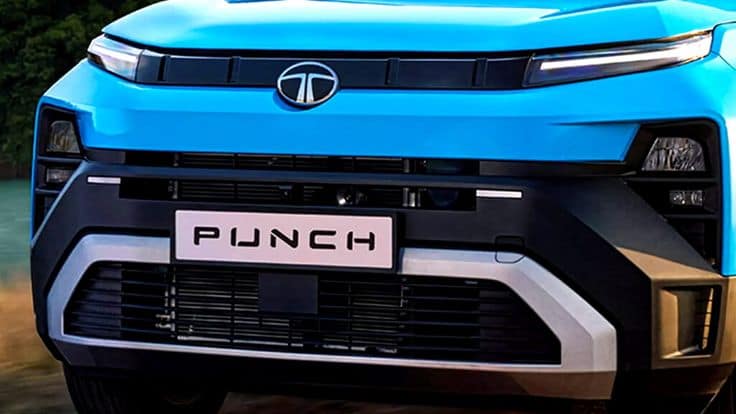
- A cleaner, closed-off front grille that emphasizes its electric identity.
- Slim LED daytime running lights (DRLs) and a redesigned bumper with sharper lines for a more assertive stance.
- The old black strip connecting the headlamps has been removed, giving the front end a neater and modern look.
These changes not only improve visual appeal but also reinforce the Punch EV’s identity as an urban-friendly, futuristic micro-SUV.
Alloy Wheels and Colours
The facelifted model sports 16-inch aerodynamic alloy wheels that enhance both styling and efficiency. Tata has also introduced new exterior colors — including Bengal Rouge, Fearless Yellow, and Caramel — often paired with a contrasting black roof for a more premium aesthetic.
Rear Design
At the back, the Punch EV now features connected LED tail lamps, giving it a broader and more distinctive look on the road, similar to Tata’s ICE Punch facelift. Ground clearance remains substantial at about 195 mm, supporting its practicality on varied Indian road conditions.
Interior Comfort & Tech – A More Premium Experience
Inside the cabin, the overall dashboard layout remains familiar, but Tata has enhanced the material quality, tech integration, and user experience.
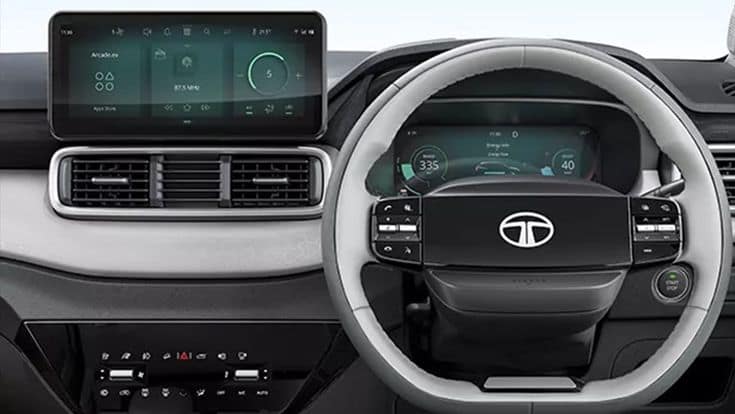
Infotainment & Display
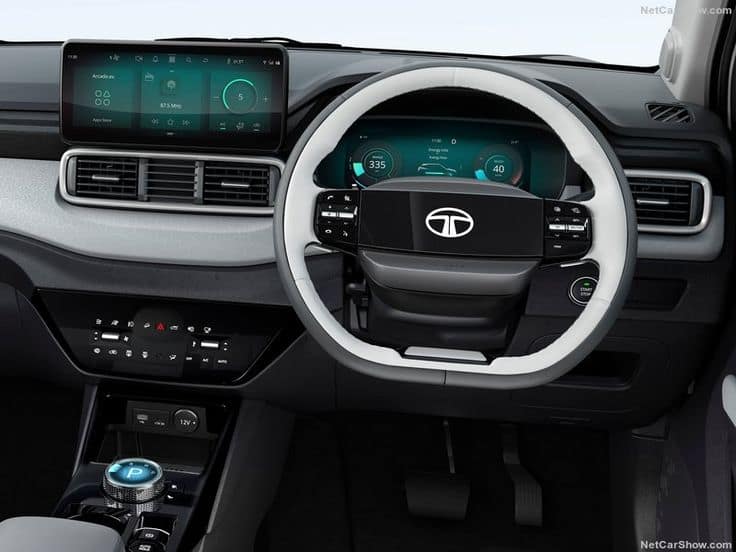
- Higher trims of the Punch EV facelift now come with a 10.25-inch infotainment touchscreen with updated software, wireless Android Auto/Apple CarPlay, and access to apps like Arcade.ev 2.0.
- A 10.25-inch fully digital driver’s display adds clarity and modern aesthetics to the driving experience.
These larger screens make information easier to access and control features more intuitive, significantly improving the cabin experience for both drivers and passengers.
Comfort & Conveniences
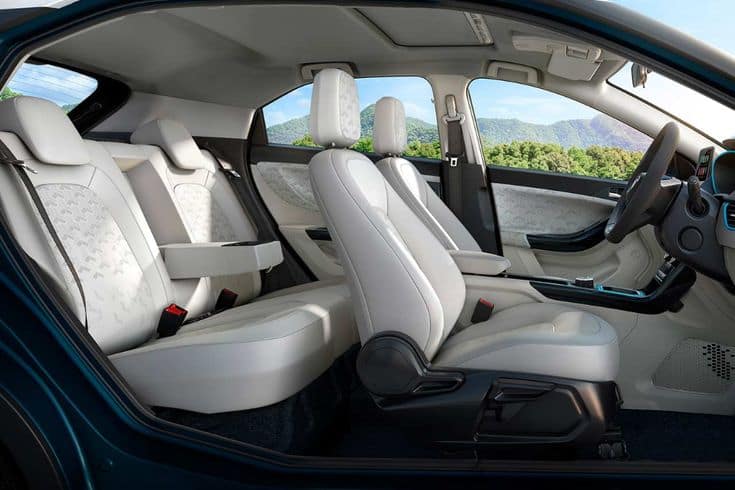
Depending on the variant, the facelifted Punch EV can include:
- Ventilated front seats for enhanced comfort in warmer climates.
- Wireless charging pad with fast, inductive tech.
- Ambient lighting for a more premium cabin environment.
- 360-degree surround-view camera system, improving safety and ease of parking.
The rear boot space remains practical at approximately 366 litres, while a front boot (“frunk”) offers an additional ≈14 litres for smaller items — a neat benefit in tight city parking scenarios.
Battery Options & Driving Range – Best in Class for Segment
One of the most significant updates on the 2026 Punch EV facelift is its battery lineup and driving range capabilities.
Battery Variants
Tata Motors now offers the Punch EV facelift with two battery options:
- 30 kWh battery — the standard range option.
- 40 kWh battery — a new long-range option designed for extended usability.
Both versions use lithium-ion technology and are paired with a front-mounted electric motor that delivers smooth, city-friendly power.
Range Figures
- The 40 kWh battery offers an ARAI-certified range of up to 468 km and a real-world C75 range of around 355 km — a strong figure for daily use and occasional outstation trips.
- The 30 kWh version delivers a respectable 365 km ARAI range under standardized test conditions.
Tata also supports rapid charging technology, enabling a Jeep-like quick top-up. With a 65 kW DC fast charger, the battery can go from 20 % to 80 % in about 26 minutes, and a 15-minute charge can add more than 130 km of real-world range.
Battery-as-a-Service (BaaS) – A Flexible Ownership Model
In an industry-first move for many Indian EV buyers, Tata Motors is offering a Battery-as-a-Service (BaaS) option with the Punch EV facelift. With BaaS, customers can buy the vehicle at a significantly lower upfront price — reportedly as low as ₹6.49 lakh — and pay a per-kilometer battery usage fee (such as ₹2.6 per km).
This model helps overcome one of the biggest hurdles in EV adoption — the high upfront cost of the battery — and makes EV ownership more financially accessible to a broader audience. This could be especially impactful for price-sensitive buyers, fleet operators, and first-time EV owners.
Pricing & Variants – Competitive Across the Board
The 2026 Tata Punch EV facelift is offered in multiple variants, with pricing that reflects Tata’s commitment to affordability while offering flexibility based on battery choice and features.
Ex-Showroom Prices (Approximate)
| Variant | 30 kWh | 40 kWh | BaaS Entry |
|---|---|---|---|
| Smart | ₹9.69 lakh | — | ₹6.49 lakh |
| Smart+ | ₹10.29 lakh | ₹10.89 lakh | — |
| Adventure | — | ₹11.59 lakh | — |
| Empowered | — | ₹12.29 lakh | — |
| Empowered+ | — | ₹12.59 lakh | — |
These prices reflect a strategic positioning, making the Punch EV facelift one of the most affordable EVs with a long-range option in India today. Additionally, new Tata promotional and finance options aim to make the model even more accessible.
Safety – A Priority for Everyday Use
Tata Motors emphasizes safety across its entire portfolio, and the Punch EV facelift is no exception. Standard safety features include:
- Six airbags covering driver and passengers.
- Electronic Stability Control (ESC) and Hill-Hold Assist for improved handling.
- Tyre-Pressure Monitoring System (TPMS).
- High-Beam Assist for night driving.
- ISOFIX child seat mounts.
With this comprehensive safety suite, the Punch EV facelift competes favorably with rivals in the segment while addressing the safety expectations of Indian families and city commuters.
Connectivity & Software – Staying Smart on the Move
The Punch EV facelift includes a range of connected car features accessed via Tata’s IRA.ev app ecosystem. Through the app, owners can:
- Monitor charger availability in real-time across Tata’s growing charging network.
- Access vehicle diagnostics and status information.
- Make payments and locate verified chargers.
Tata claims its charging reach now encompasses 2.3 lakh charging points across more than 1,500 cities, including a verified network of over 2,500 high-speed chargers.
Charging Solutions – Everyday Convenience
Punch EV owners can choose from multiple charging solutions:
- Standard home wall box (7.2 kW) — approximately 4.5–5.5 hours for full charge.
- Portable home charger (3.3 kW) — full charge in about 12–15 hours.
- Public DC fast chargers (65 kW or above) — rapid top-ups for long trips.
Such versatility makes the Punch EV a practical choice whether you live in urban apartments, have a private garage, or take frequent long journeys.
Competitive Landscape – Punch EV vs. Rivals
In the current EV segment, the Tata Punch EV facelift competes with models like the Citroën eC3, MG Comet EV, and other affordable electric offerings from established and new brands. The addition of a long-range battery, premium features, flexible pricing (including BaaS), and Tata’s brand presence gives the Punch EV a strong competitive advantage — especially among cost-conscious buyers who still need a practical EV for daily commuting and occasional intercity travel.
Final Word – Has Tata Delivered What India Expected?
The 2026 Tata Punch EV facelift marks a thoughtful evolution of one of India’s most popular entry-level electric SUVs. With strategic updates to design, technology, battery options, real-world usability, and pricing flexibility, Tata Motors has delivered a model that continues to appeal to modern EV buyers while addressing many common concerns — affordability, range anxiety, practicality, and convenience.
As the EV market accelerates in India, offerings like the Punch EV facelift — which combine everyday usability with smart features and competitive economics — will play a crucial role in shaping the future of electrified mobility in the country.
In short: Tata has not just refreshed a vehicle; it has reforged its EV strategy for the mass market — making electric cars more reachable, more practical, and more appealing to millions of potential buyers.